

The Energy Transition Workshop, held from 17 November to 16 December 2025, brought together students from Curtin University and Kasetsart University for an intensive learning program focused on modern energy systems and global energy transition trends. The workshop was jointly organized under the academic collaboration between the Faculty of Engineering, Kasetsart University, and Curtin University, with support from the New Colombo Plan of the Australian Government.
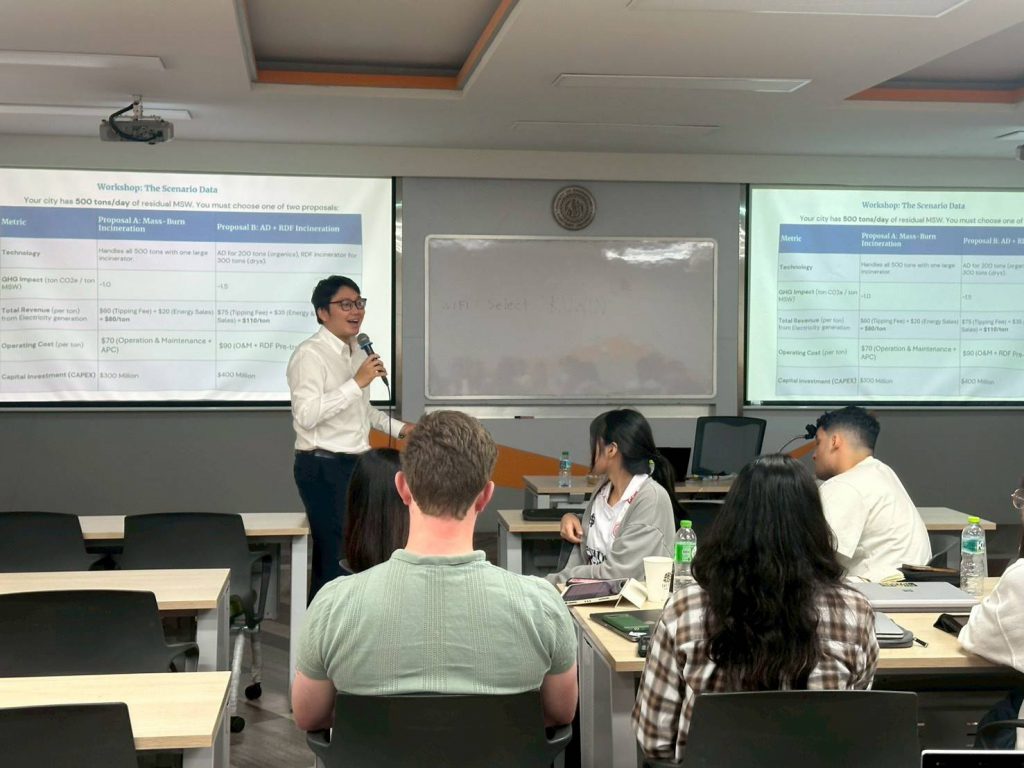
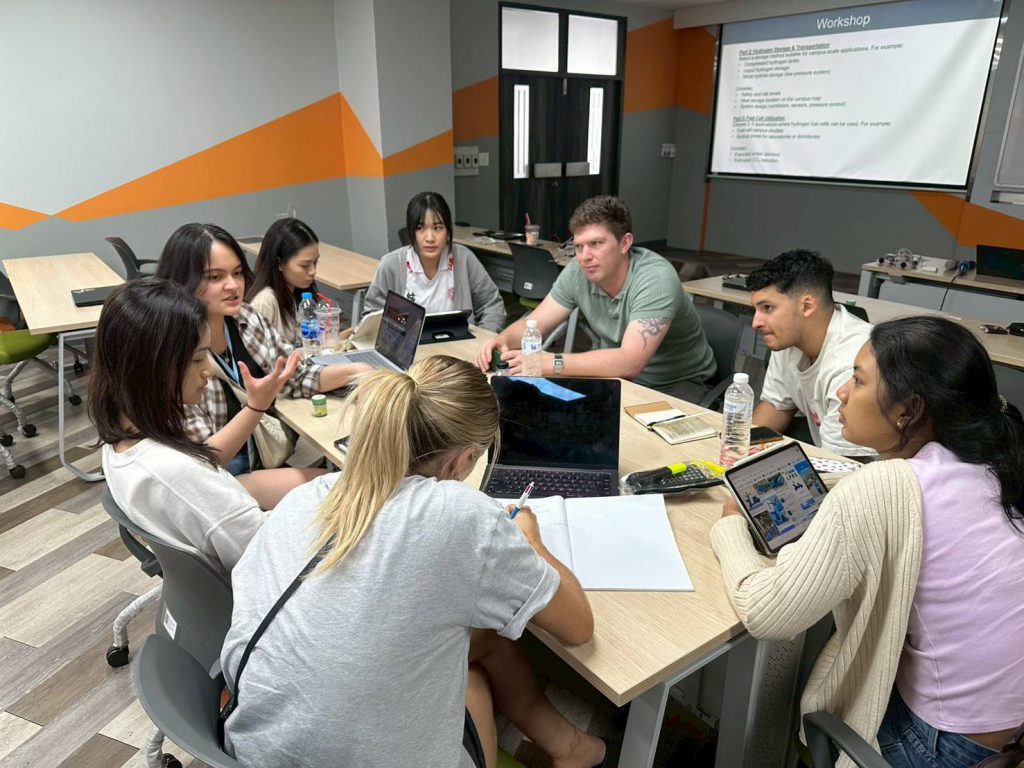
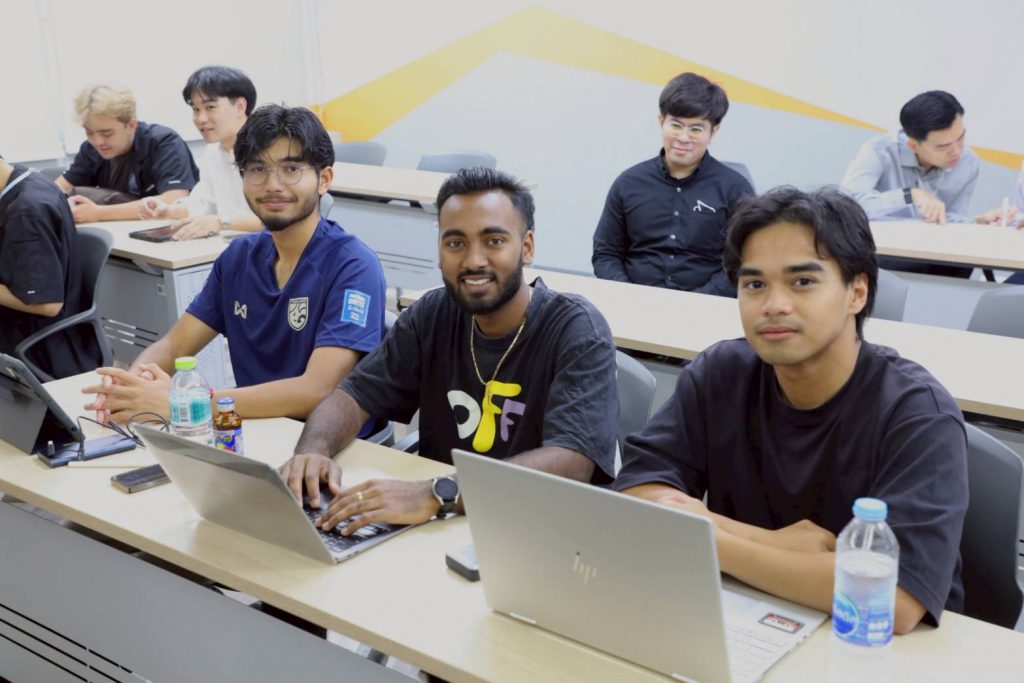
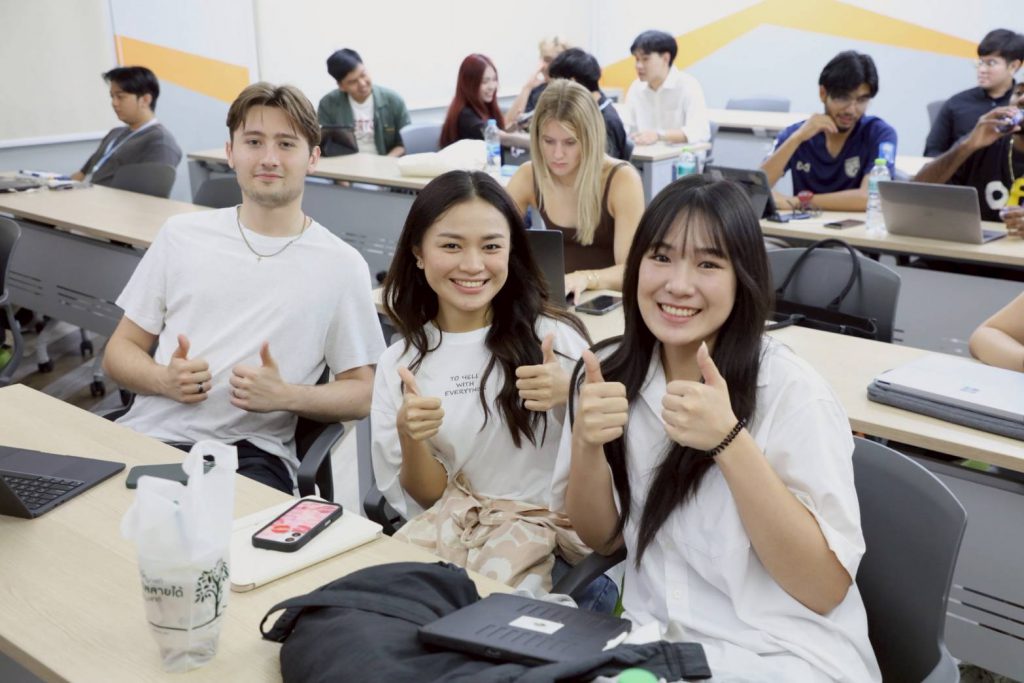
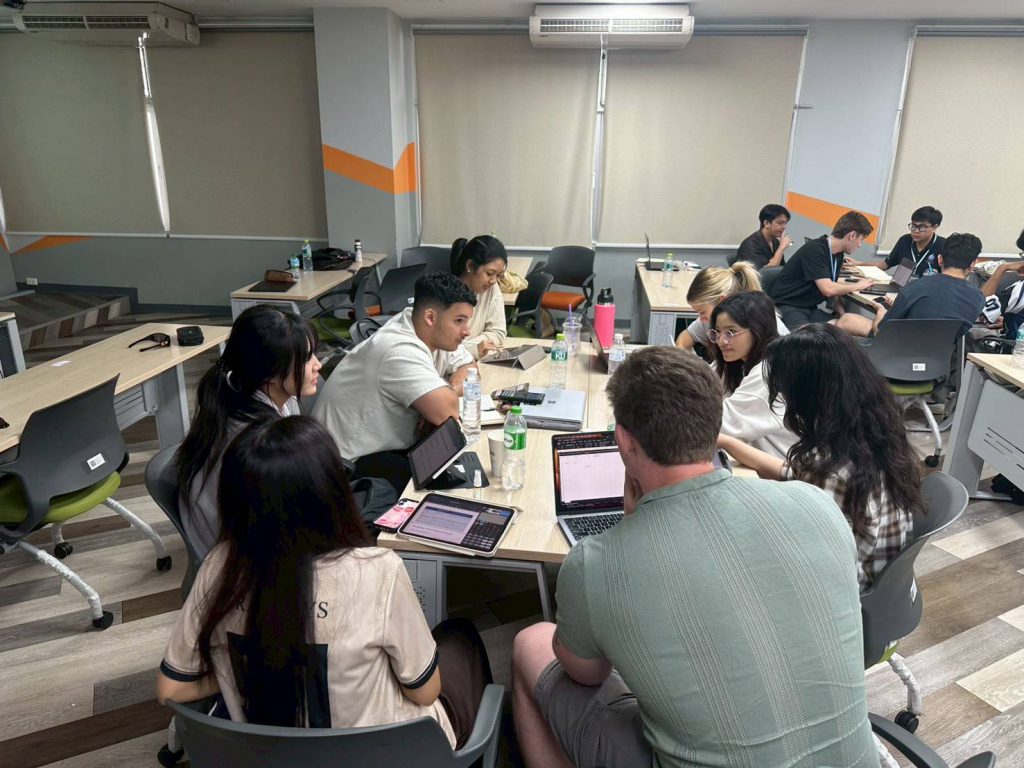
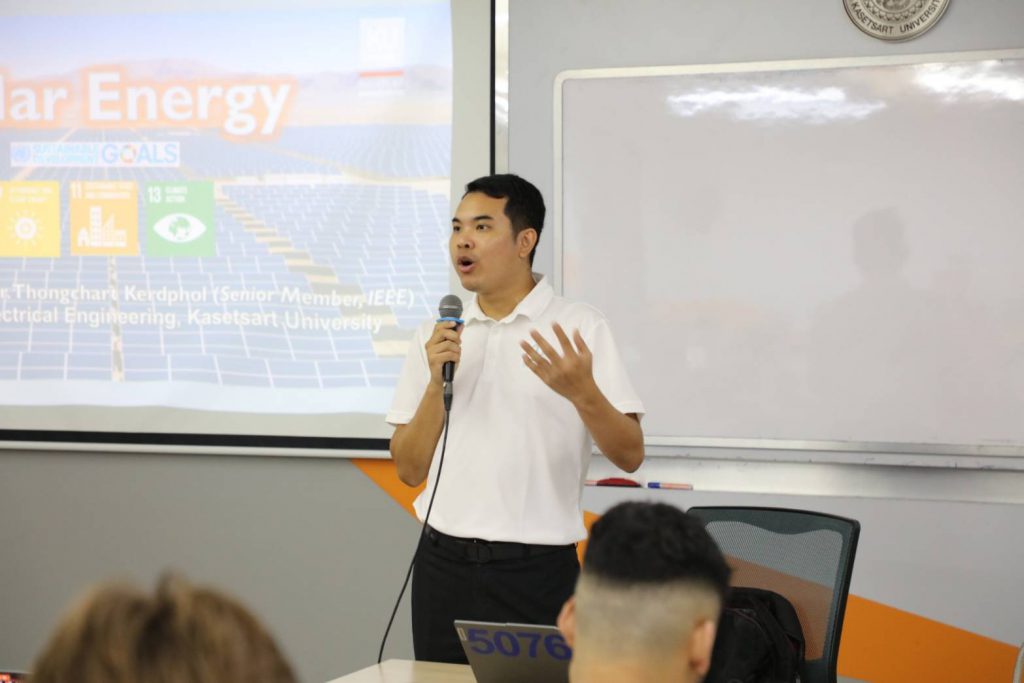
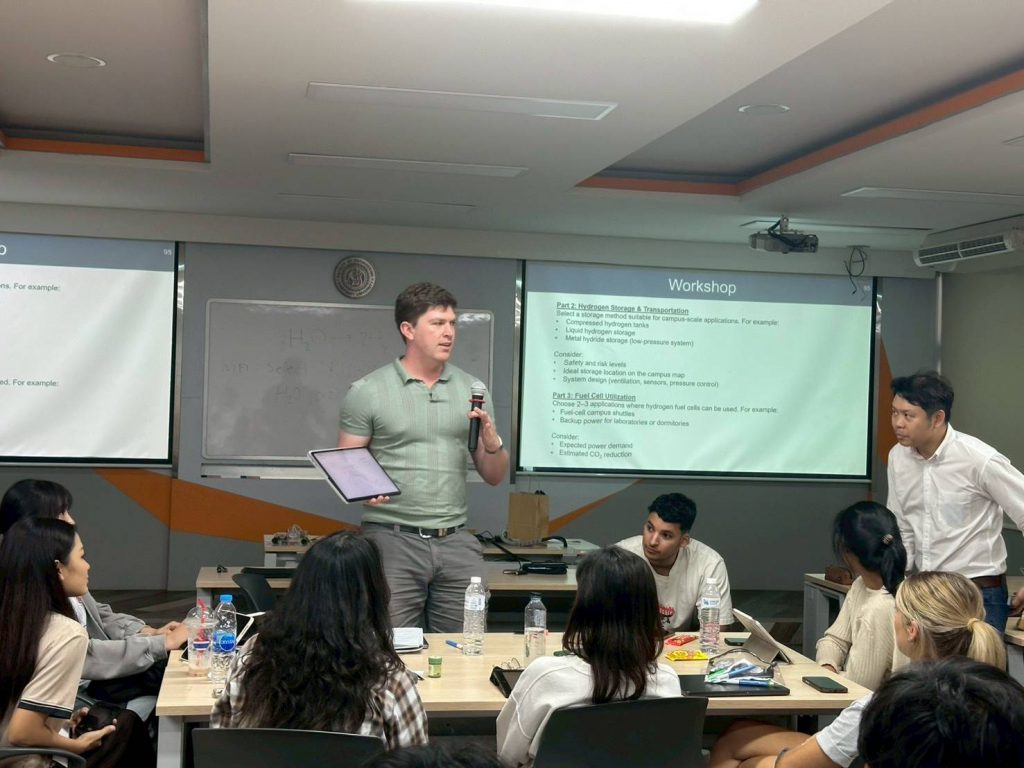
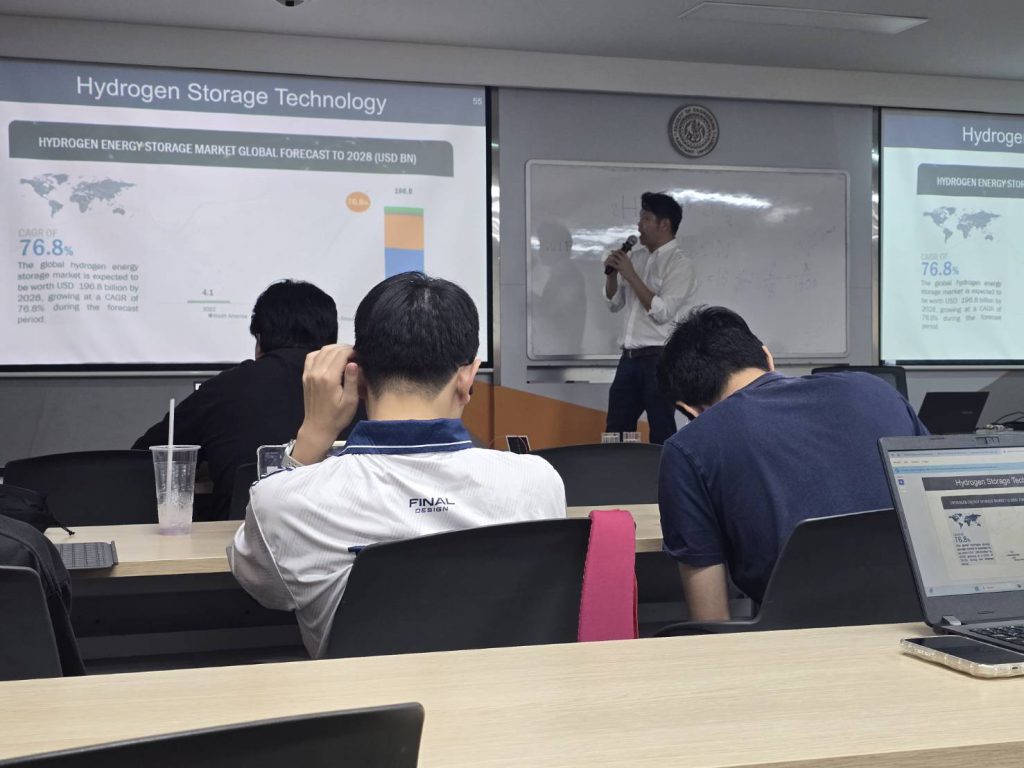
As part of the program, students participated in a series of expert lectures and practical learning activities led by faculty members from the Faculty of Engineering, Kasetsart University. Key topics addressed included Hydrogen Energy by Associate Professor Dr. Gasidit Panomsuwan (Department of Materials Engineering), Solar Energy by Assistant Professor Dr. Thongchart Kerdphol (Department of Electrical Engineering), Hydrology for Energy Systems by Assistant Professor Dr. Donpapop Manee (Department of Water Resources Engineering), and Waste-to-Energy by Dr. Jarudej Asingsamanunt (Department of Environmental Engineering). These sessions provided students with essential technical knowledge related to emerging energy technologies and their future applications.
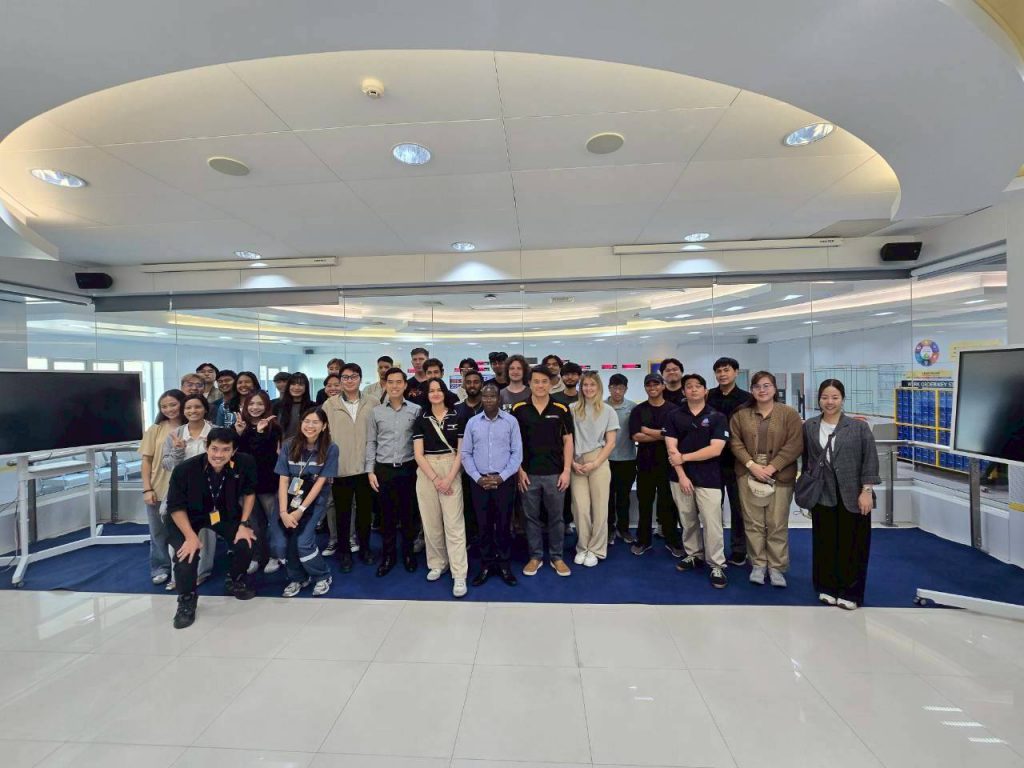
Between 26 November and 3 December 2025, the Energy Transition Workshop organized a series of field studies to provide students with hands-on learning experiences related to energy systems, industrial infrastructure, and regional contexts in Thailand. The activities were part of the academic collaboration between the Faculty of Engineering, Kasetsart University, and Curtin University, supported by the New Colombo Plan of the Australian Government.
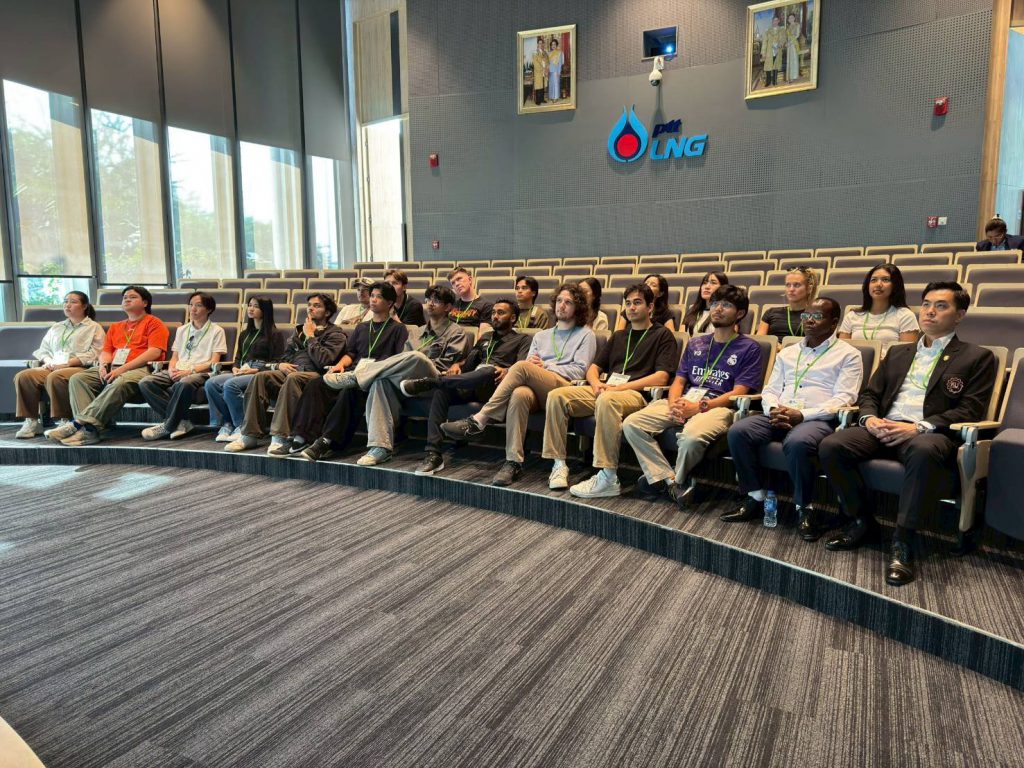
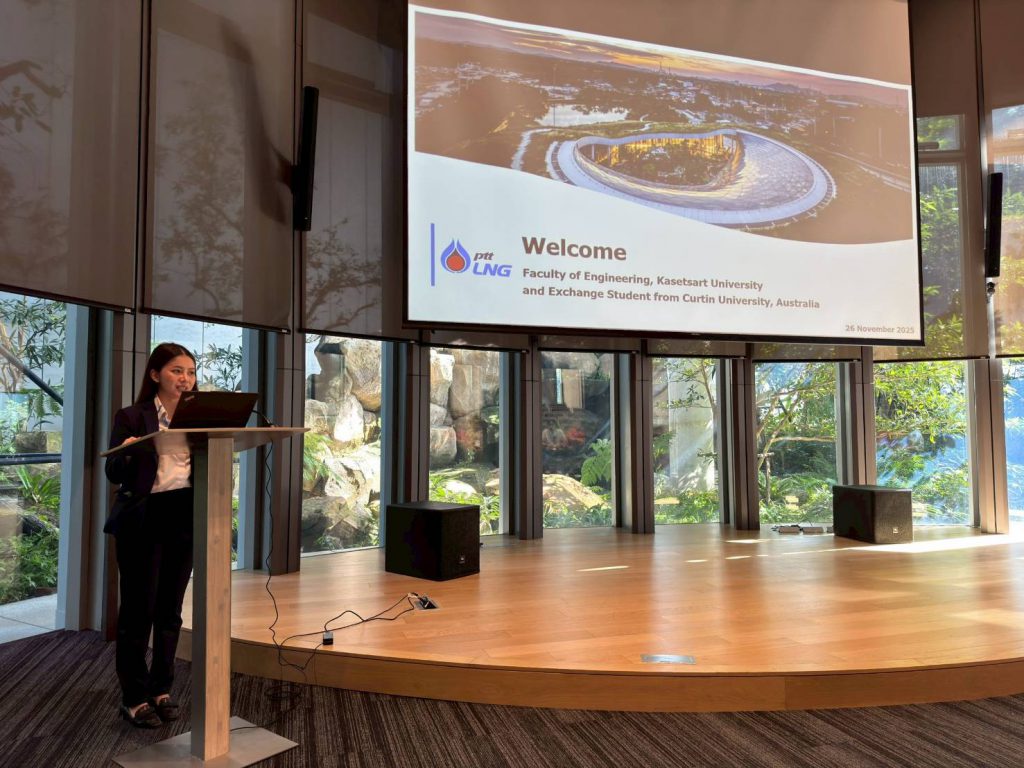
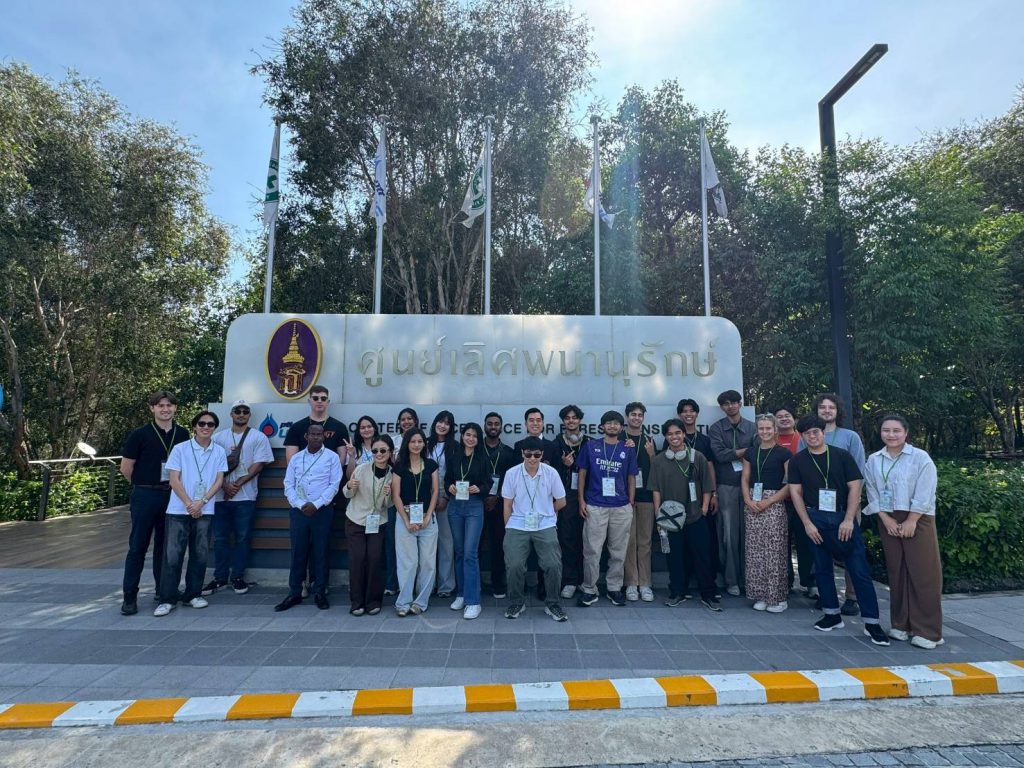
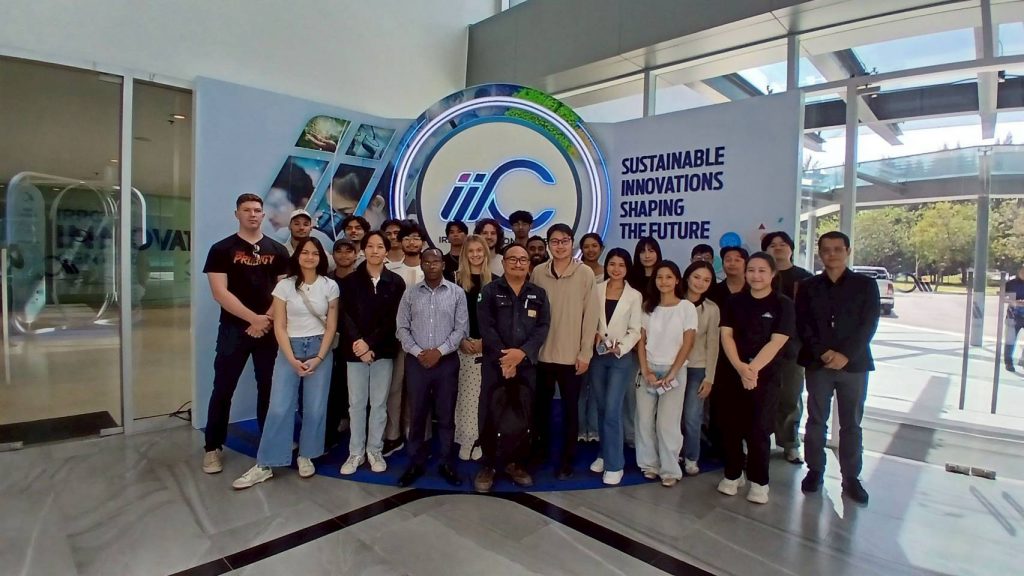
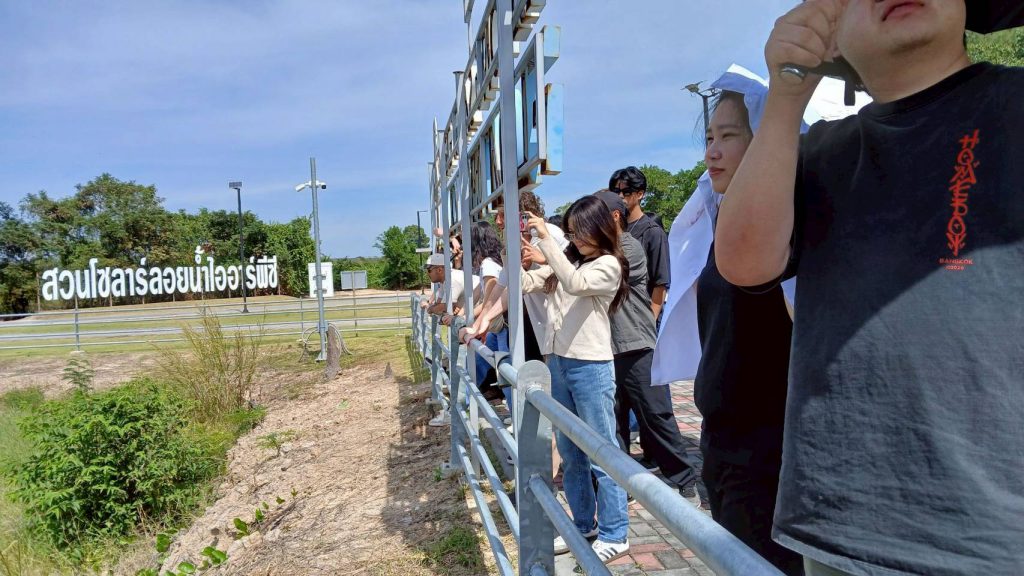
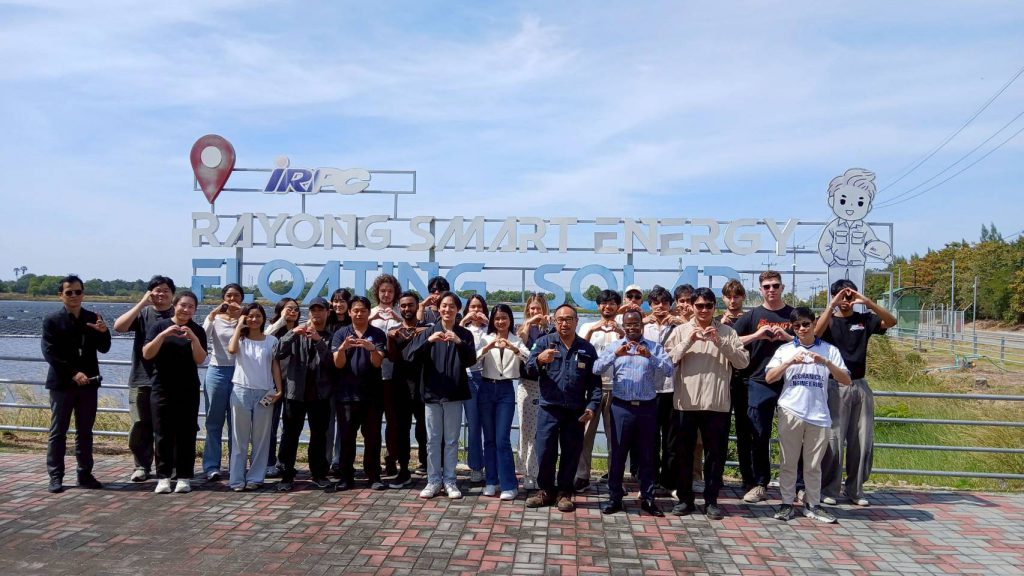
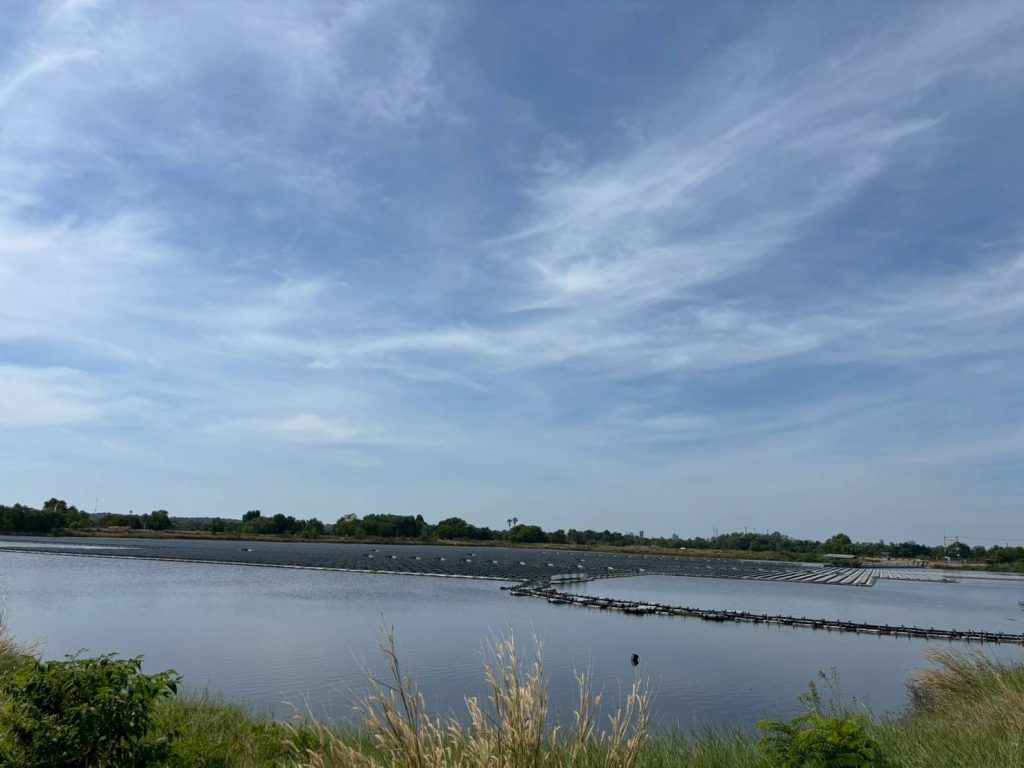
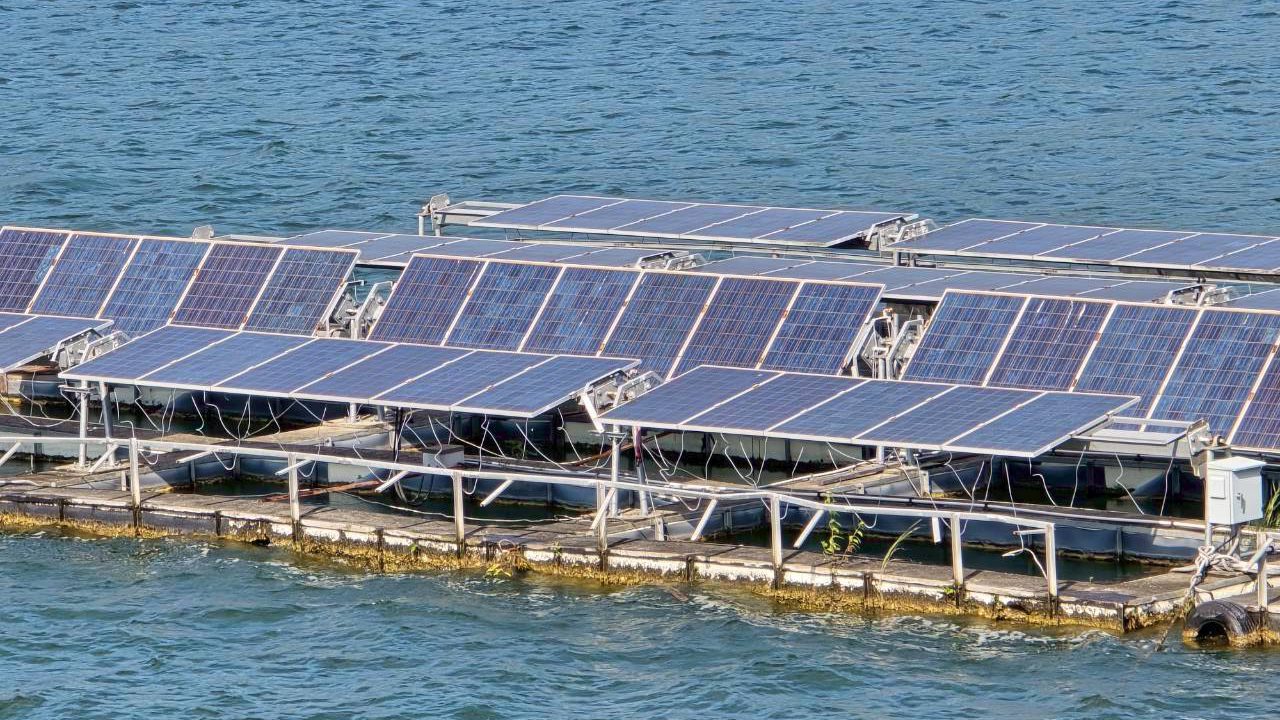
During 26–28 November 2025, students visited Rayong Province to study energy and industrial facilities in the Eastern Economic Corridor. Key site visits included PTT LNG and the IRPC floating solar power project, where students learned about clean energy systems, energy safety management, liquefied natural gas storage and transportation processes, and the role of renewable energy technologies in the regional economy. These visits enhanced students’ understanding of the regional energy industry structure and strengthened their ability to connect technical knowledge with national energy contexts.
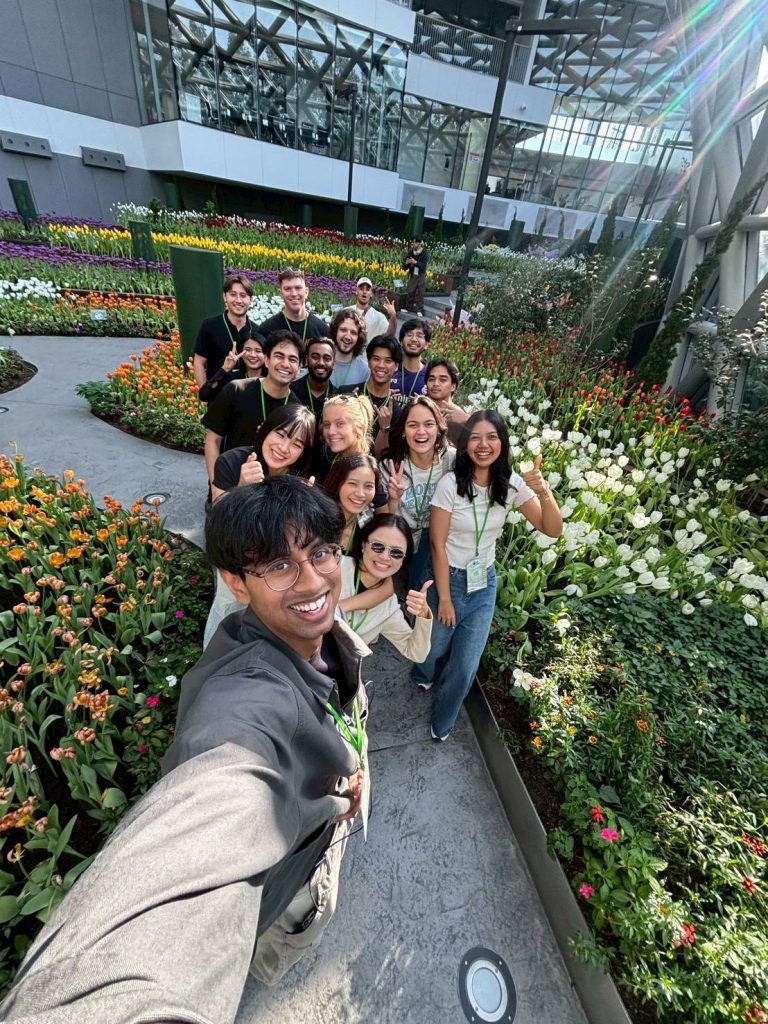
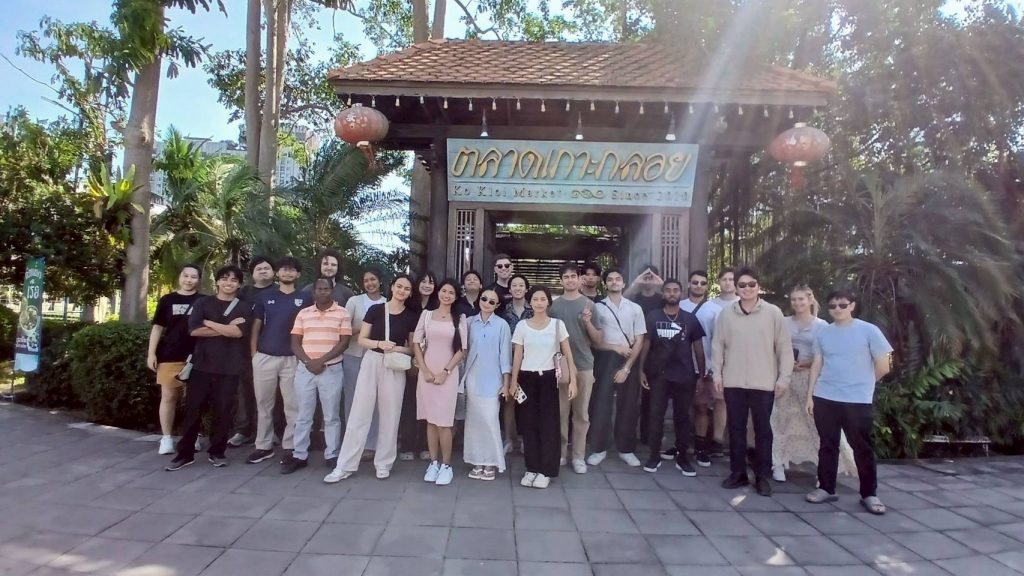
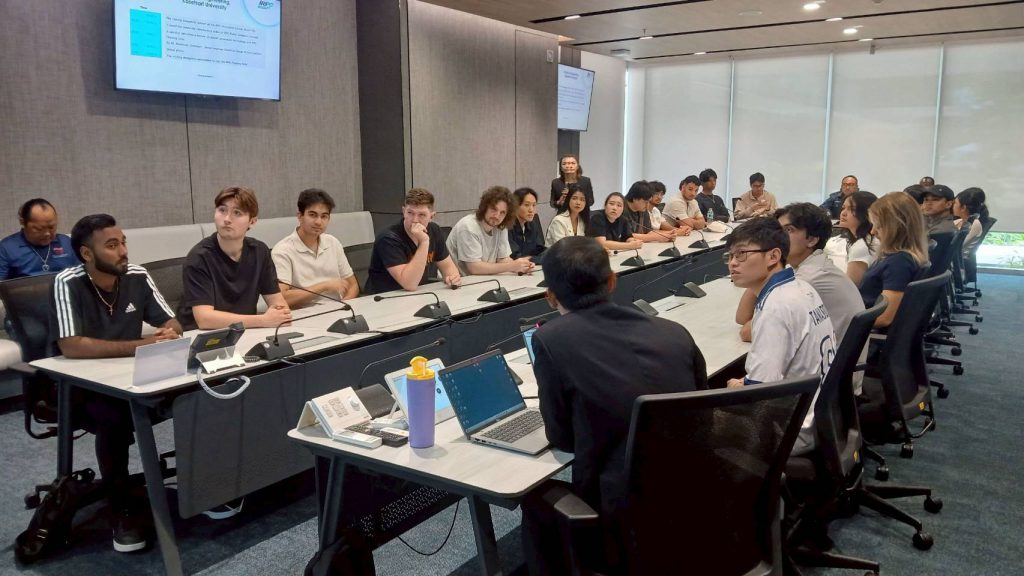
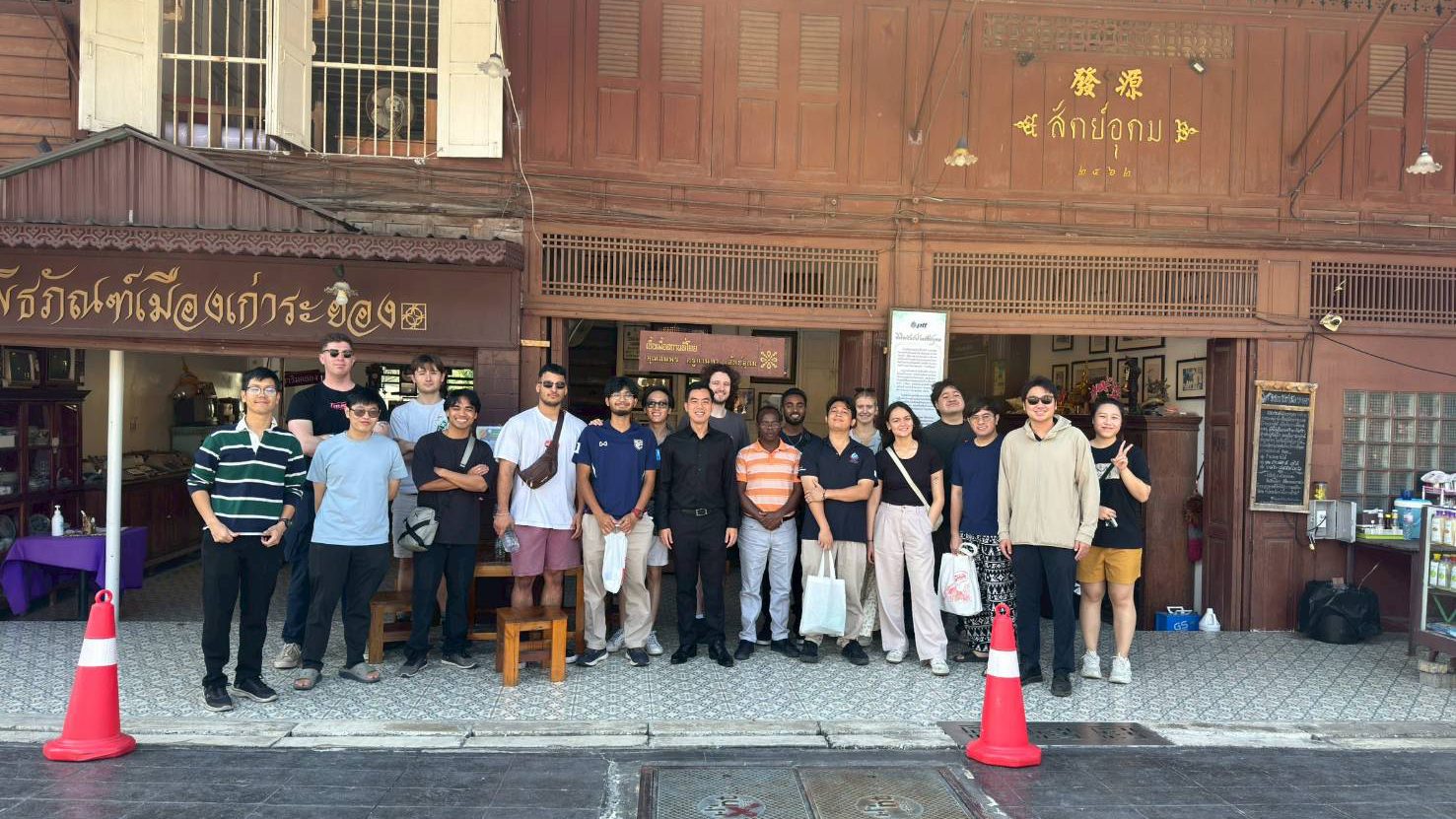
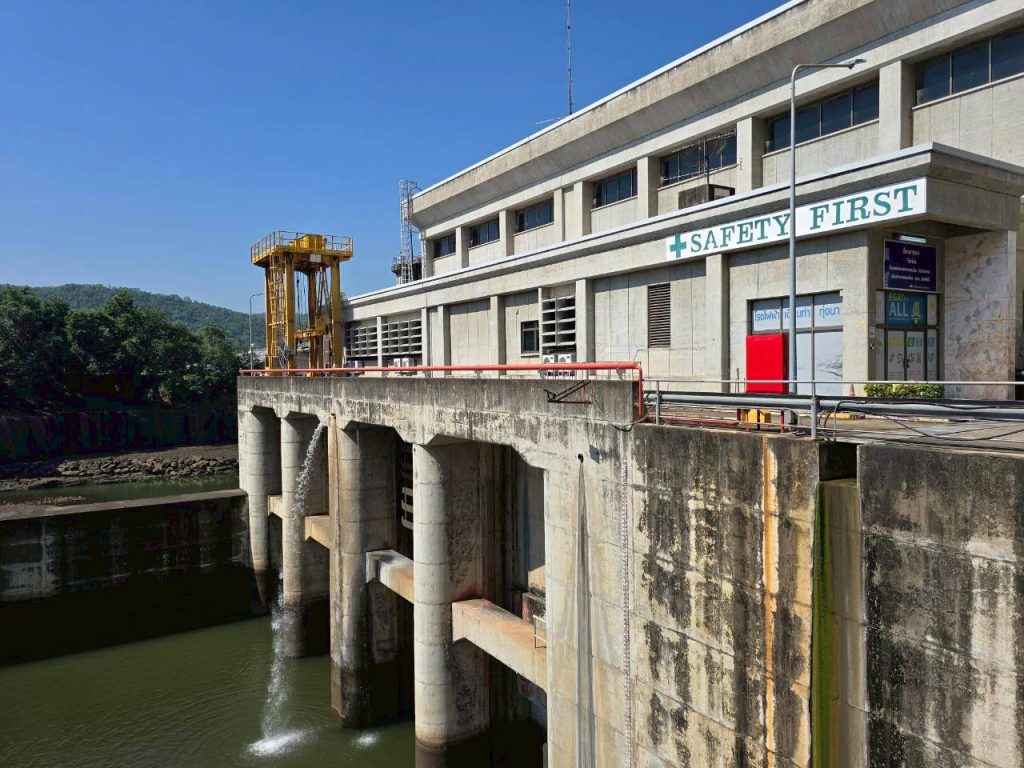
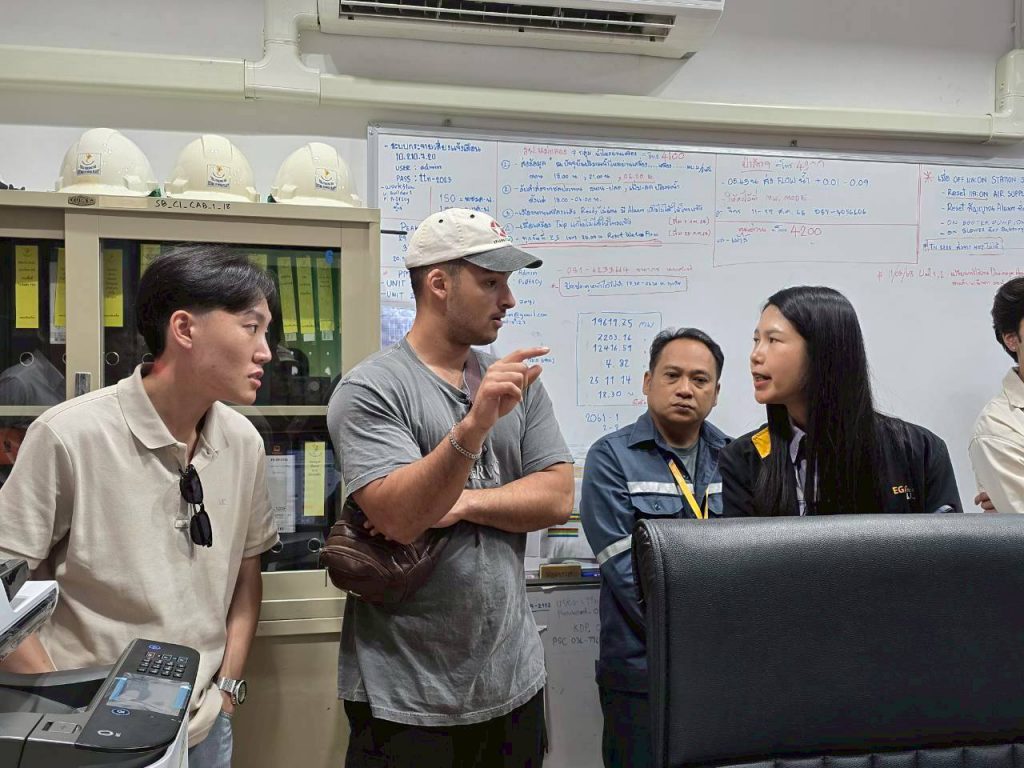
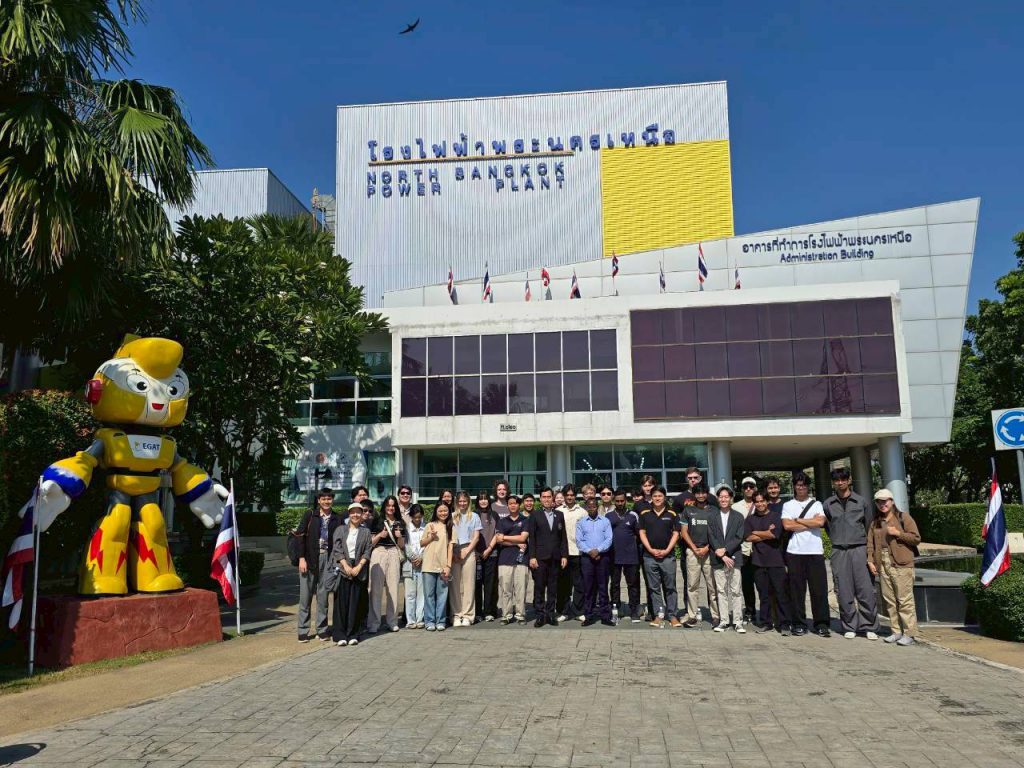
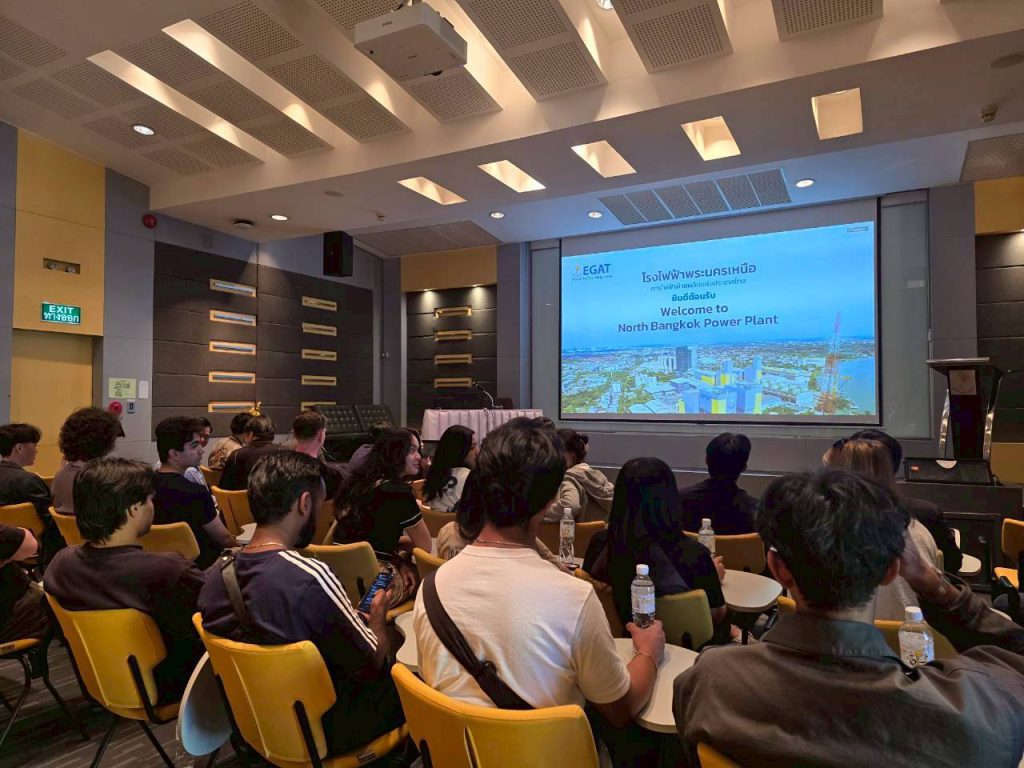
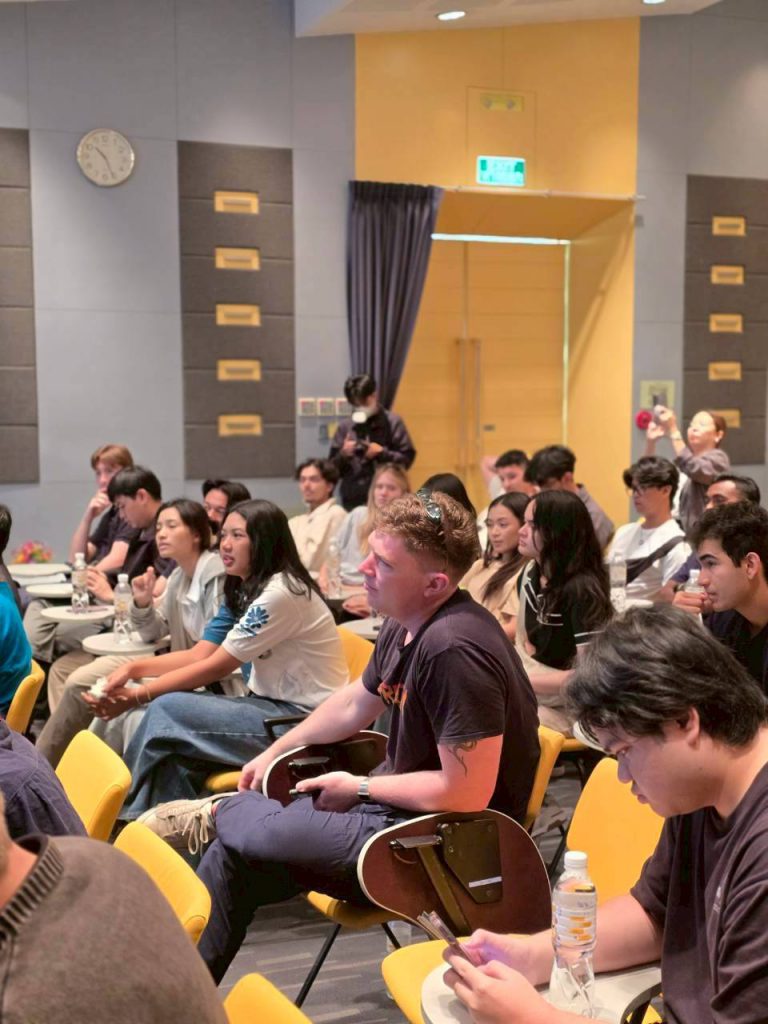
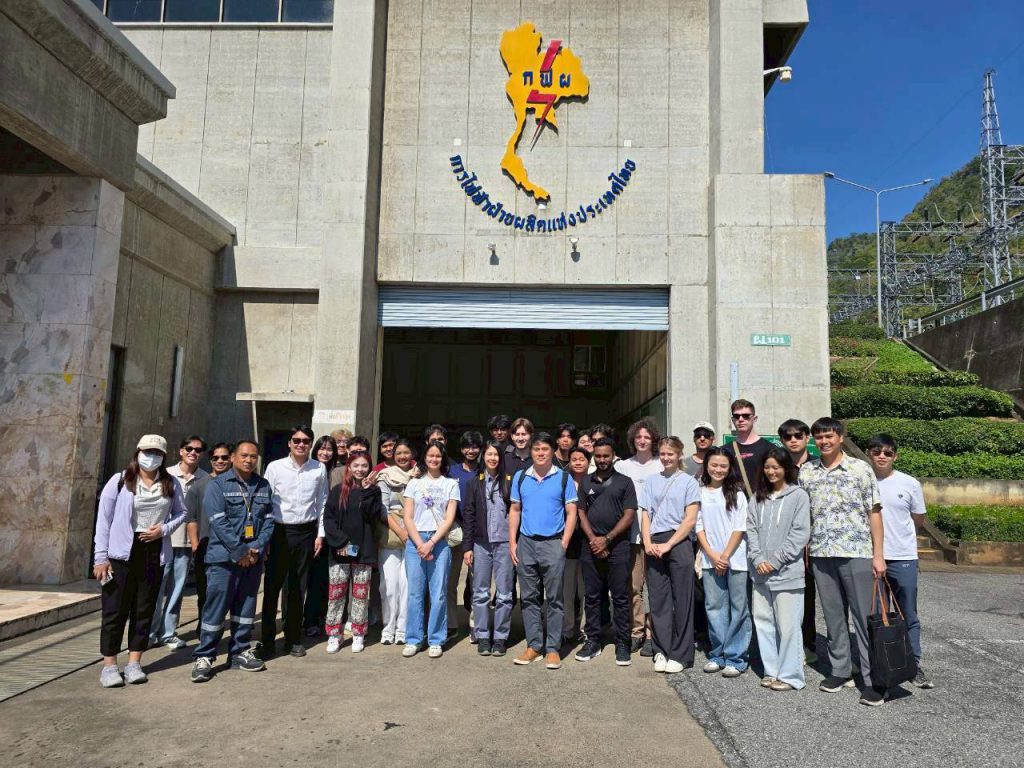
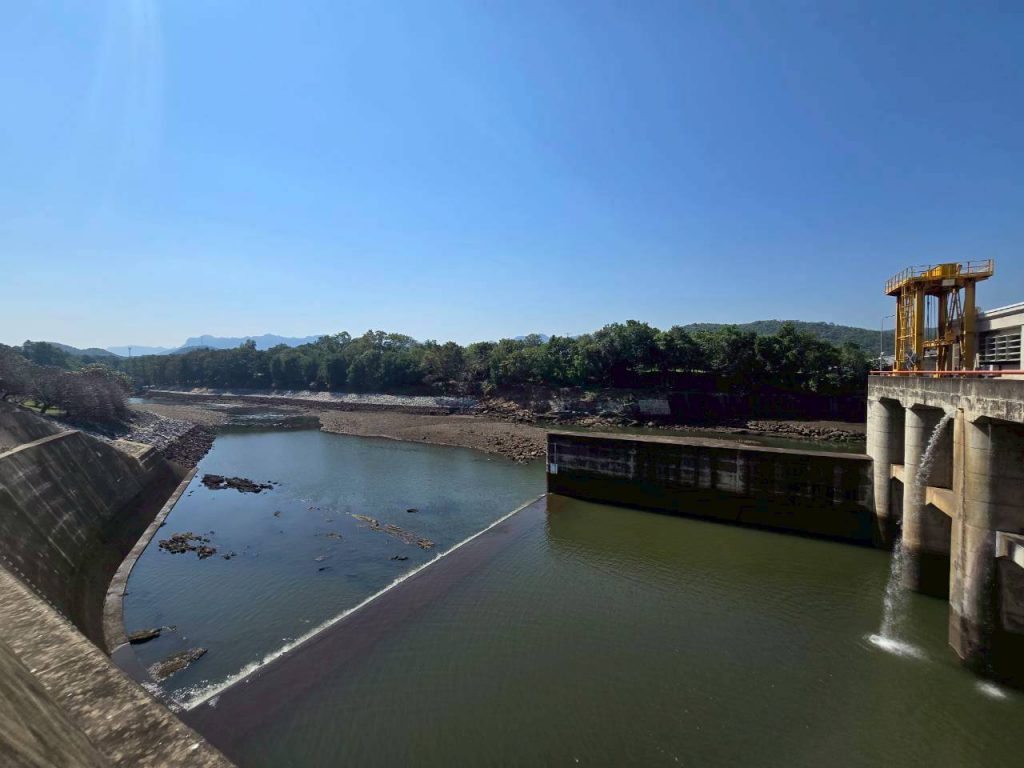
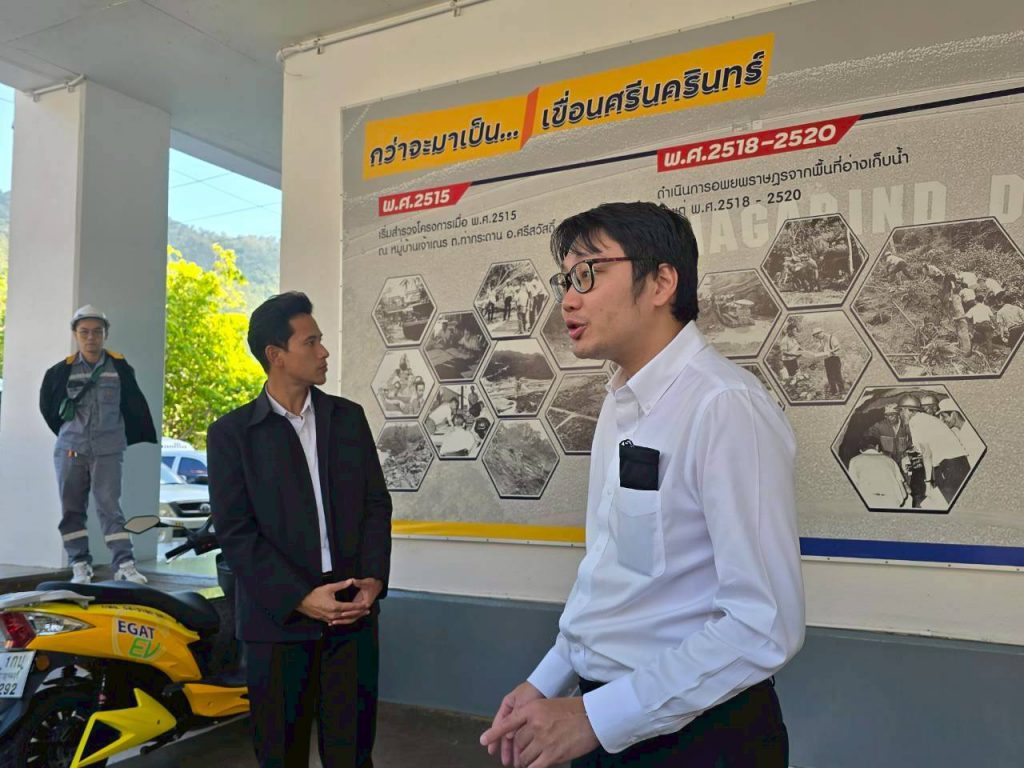
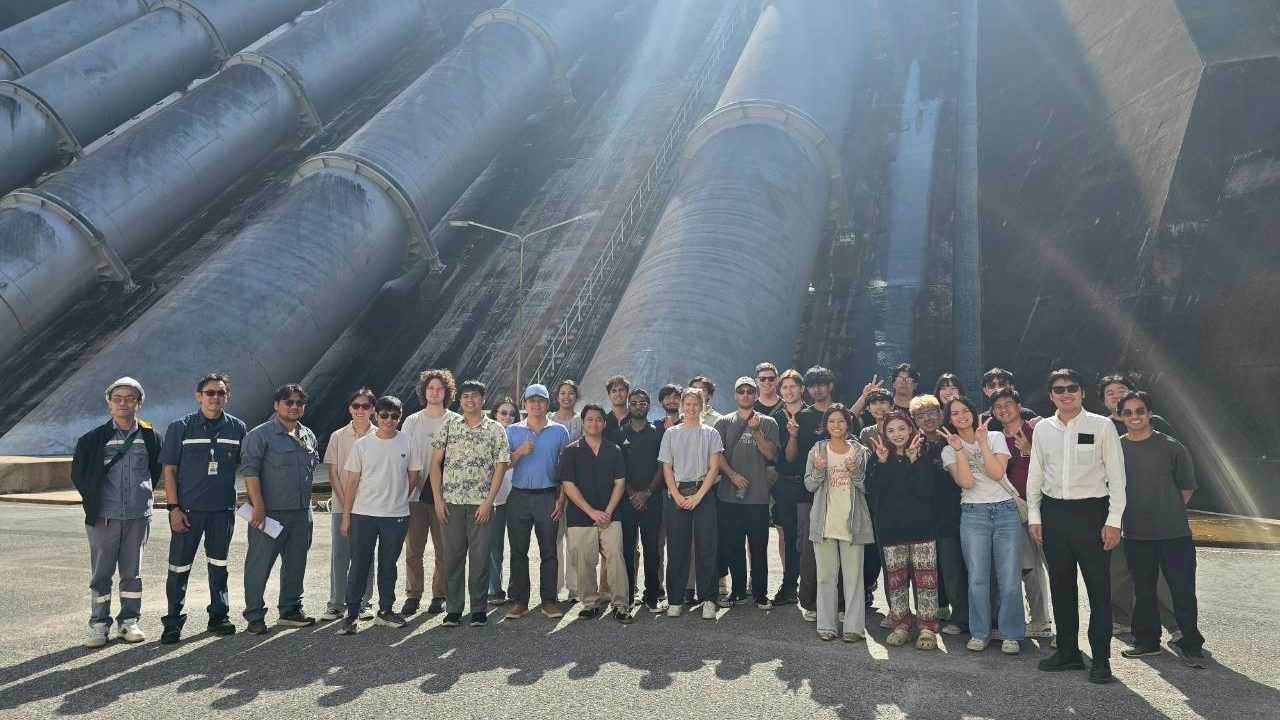
From 1–3 December 2025, the workshop continued with field studies in the western region of Thailand. On 1 December 2025, students visited the North Bangkok Power Plant to study electricity generation processes and the role of large-scale power plants within Thailand’s energy system. The group then traveled to Kanchanaburi Province to visit power plants and dams, focusing on water management for electricity generation as well as the surrounding environmental and community contexts of energy infrastructure.
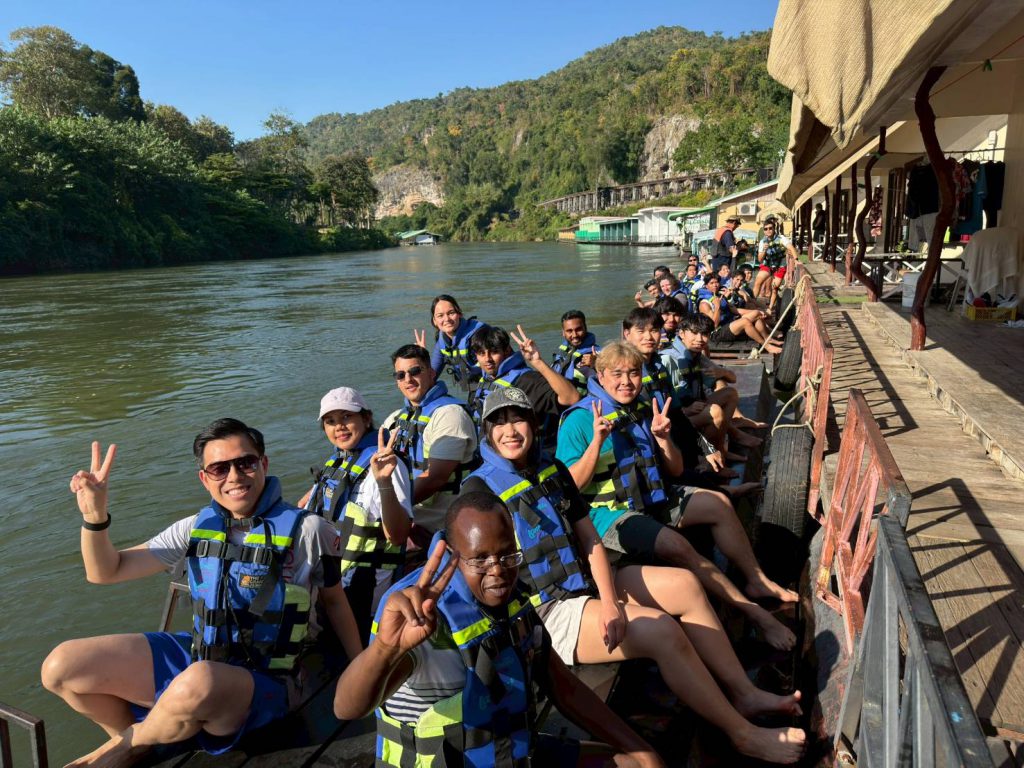
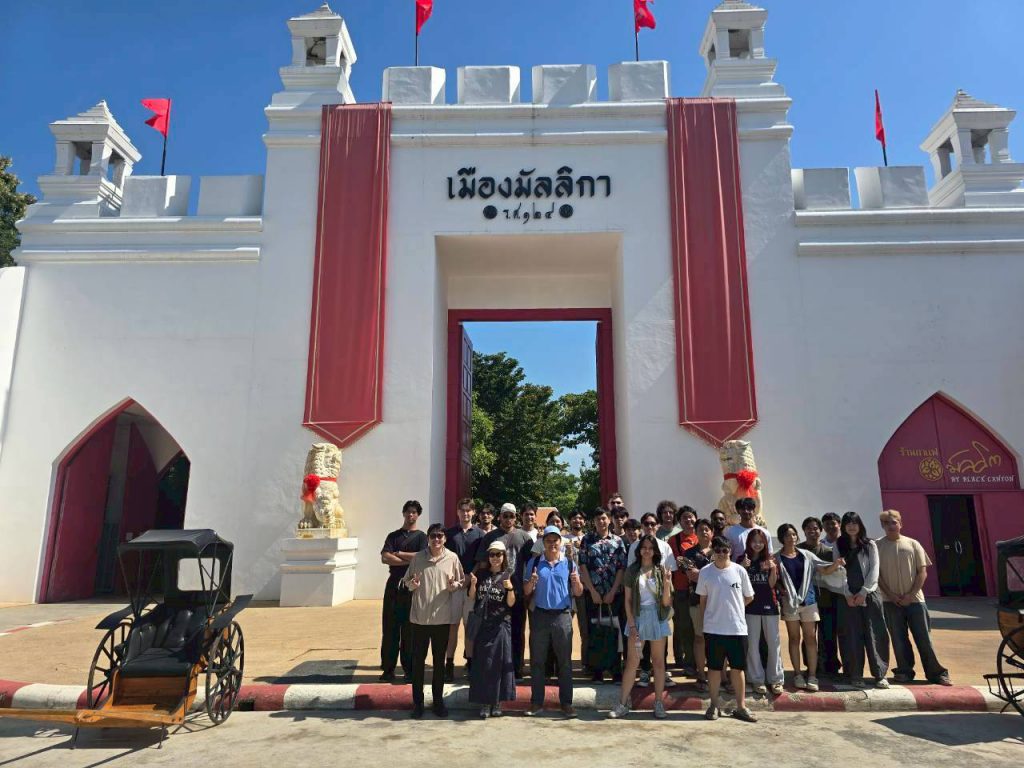
In addition to technical site visits, students participated in educational and cultural field trips in Kanchanaburi, including visits to Hellfire Pass and the Bridge over the River Kwai, as well as a river rafting activity to observe the natural environment. These activities provided historical and cultural perspectives and supported learning through direct engagement with local contexts.
Overall, the field studies offered students a comprehensive understanding of energy transition issues by integrating technical knowledge, industrial practice, regional awareness, and socio-cultural perspectives. The activities formed a core component of the Energy Transition Workshop, aiming to prepare students for holistic analysis and problem-solving in the field of energy engineering within both national and international contexts.
